
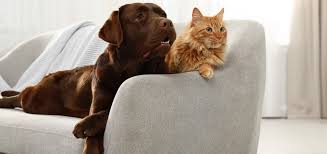
Discover why pet hair accumulates in the home and how to easily remove it on a daily basis.
Pet hair in the home is a daily reality for all cat and dog lovers. However, when it accumulates on furniture, clothes, or floors, it can quickly become a source of frustration and give the impression of a neglected home. The good news is that there are simple and effective solutions to limit its presence.
In this article, we will explore the main causes of hair loss , offer suitable tools and techniques to reduce shedding, and share practical maintenance tips to keep your home clean and welcoming, while preserving the well-being of your companions.
👉 This article is structured as a Problem/Solution to help you understand and act effectively:
-
Understanding why your pet is losing so much fur
-
Discover the tools and techniques to limit the fall
-
Learn how to care for your home to reduce the impact of pet hair
🐕 Why is my pet shedding so much?
Hair loss is a natural phenomenon, especially during seasonal shedding. However, excessive or unusual hair loss may indicate deeper underlying causes. Here are the main factors:
-
Seasonal molting : in spring and autumn, the coat adapts to temperature variations. Animals then lose a large amount of hair to prepare their new coat.
-
Inadequate diet : deficiencies in protein, essential fatty acids (Omega-3 and Omega-6) or vitamins can weaken the hair and accentuate its loss.
-
Stress or anxiety : an often underestimated factor. Changes in environment, loneliness, or a lack of stimulation can cause increased hair loss.
-
Health problems : parasites (fleas, mites), allergies, skin infections or hormonal imbalances (such as hypothyroidism) can lead to localized or generalized hair loss.
-
Lack of grooming : without regular brushing, dead hair accumulates and eventually falls out in large quantities, increasing the amount of hair in the house.
👉 Understanding these causes is the first step to taking effective action. In the following sections, we'll see how proper grooming, a balanced diet, and good environmental management can transform your daily life.
🛠 How to reduce hair loss in dogs and cats - Effective solutions
🪮1. Regular grooming with appropriate tools
Brushing is the most direct and effective way to remove dead hair before it settles on furniture, clothes, or the floor. In addition to limiting hair dispersal, it contributes to healthy skin and coat, while strengthening the bond with your pet.
-
Shedding brushes : tools like the Furminator or our Cleaning & Deshedding Brush with Spray are specially designed to remove dead hair thoroughly. The spray makes it easier to capture the hair and reduces its dispersal in the air.
-
Carding brushes and combs : for long or thick coats, start with a carding brush to untangle knots, then use a Fenice Professional Comb for finishing touches and a neat result.
-
Ideal frequency : Daily brushing is recommended for long-haired animals or those shedding. For short-haired animals, 2 to 3 sessions per week are generally sufficient.
-
Additional benefits : Brushing stimulates blood circulation, reduces hairball formation in cats and makes the coat shinier.
👉 Tip: Make brushing a pleasant experience by combining it with petting or small treats. Your pet will associate this routine with a positive experience, making it easier to maintain consistency.
🍽️ 2. Quality food and supplements
A healthy coat starts in the food bowl: nutrition plays a crucial role in skin health and coat quality. A well-fed dog or cat generally sheds less and has a shinier, stronger coat.
-
Premium kibble : opt for recipes rich in high-quality animal protein, as these support coat regeneration. The essential fatty acids (Omega-3 and Omega-6) present in some kibble help reduce skin inflammation and strengthen the skin's protective barrier.
-
Dietary supplements :
-
Fish oil : rich in Omega-3, it promotes a silky coat and limits excessive shedding.
-
Brewer's yeast : a natural source of B vitamins, it improves hair texture and skin health.
-
Biotin : often called the “beauty vitamin”, it strengthens the hair structure and reduces hair loss.
-
-
Hydration : Don't forget that water is essential. A water fountain encourages animals to drink more, which contributes to well-hydrated skin and therefore a stronger coat.
-
Practical tip : introduce supplements gradually into the diet to avoid digestive problems and observe your pet's reactions in order to adjust the doses.
👉 By combining a balanced diet with targeted supplements, you act directly at the source of the problem and promote a healthy coat, thus limiting the presence of hair in the house.
🧴 3. Hygiene and adapted bathing
Hygiene plays an important role in managing shedding in dogs and cats. While brushing remains the primary method, occasional baths and the use of appropriate products can help maintain a healthy coat and reduce hair dispersal in the home.
-
Specific shampoos : opt for gentle, moisturizing formulas designed to respect the sensitive skin of animals. Some anti-hair loss shampoos or those enriched with essential fatty acids (Omega-3 and Omega-6) strengthen the hair structure and limit hair loss.
-
Moderate baths : An occasional bath helps to loosen dead hair and remove impurities. However, it should not be too frequent, as excessive washing can dry out the skin and weaken the coat.
-
Complementary products : after bathing, using a detangling or moisturizing spray can make brushing easier and make the coat silkier.
-
Practical tip : gradually get your pet used to baths. Use lukewarm water, a calm environment, and reward them afterward so they associate bath time with a positive experience.
-
Ideal frequency : On average, a bath every 4 to 6 weeks is sufficient for most dogs. Cats, on the other hand, generally do not need regular baths, except in cases of very long fur or specific health issues.
👉 By combining regular grooming with appropriate baths, you contribute to your pet's overall health and effectively reduce the presence of hair in the house.
🏡 4. Environmental Management
Even with regular grooming and a suitable diet, it's normal for pet hair to accumulate in the house. The key is to implement good environmental management to limit its dispersal and make cleaning easier.
-
Powerful vacuum cleaner with special attachments : Invest in a vacuum cleaner designed for pet hair, equipped with specific attachments for carpets, rugs, and sofas. These models effectively capture embedded hair and reduce airborne allergens.
-
Electrostatic rubber pet hair remover : ideal for quickly removing embedded pet hair from upholstery. Its rubber bristles attract and trap hair without scattering it. Perfect for quick cleanups between vacuuming sessions.
-
Adhesive rollers and rubber gloves : practical for removing pet hair from clothing, cushions, or delicate fabrics. The rollers are quick to use, while the rubber gloves offer an economical and reusable solution.
-
Washable beds and rugs : choose accessories that are easy to machine wash. Regular washing limits the accumulation of fur and keeps your pet's resting space clean and hygienic.
-
Bonus tip : Use pet hair covers or lightweight throws on your sofas and armchairs. They're easy to wash and protect your furniture while reducing cleaning time.
👉 By combining these solutions, you create a healthier and more pleasant environment, while significantly reducing the presence of pet hair in your home.
🚨 When to consult a veterinarian?
While some shedding is normal in dogs and cats, certain signs should raise concern and warrant a visit to the veterinarian. Excessive or unusual hair loss may indicate an underlying health problem.
-
Localized hair loss with bare patches : may indicate a skin infection, allergy or parasite (fleas, mites).
-
Irritated skin, redness, scabs : often linked to dermatitis, food or environmental allergies.
-
Change in behavior or loss of appetite : an animal that scratches itself constantly, becomes lethargic or refuses to eat may be suffering from a more serious problem.
-
Significant hair loss outside of shedding season : if hair loss is sudden or continuous, it may be a sign of a hormonal imbalance or nutritional deficiency.
👉 In all these cases, a veterinary consultation will help identify the exact cause and implement appropriate treatment. It's best to act early to preserve your pet's health and comfort.
🐾 Conclusion
Pet hair in the house is inevitable, but it doesn't have to be a source of stress. With regular grooming, a balanced diet, and a few care tips, you can significantly reduce its presence and give your pet a healthy, shiny coat.
Beyond their practical aspect, these actions also strengthen the bond with your pet and contribute to their overall well-being. By integrating these habits into your daily routine, you transform a chore into a positive and beneficial ritual.
💡 Discover our selection of premium grooming accessories to facilitate your brushing sessions, improve cleaning efficiency and keep your home spotless, while taking care of your pet.